
My mom used to say: ‘Lift too much and your belly button will untie!
1. Manual Handling of Heavy Loads – Limits
According to Czech labor regulations:
- The maximum allowed weight for manual handling by one worker is:
- Up to 50 kg for men, and even that only under specific conditions (e.g., short duration, proper grip, safe lifting posture, low height).
- Anything over 50 kg must be handled mechanically – using a crane, hoist, lift, etc.
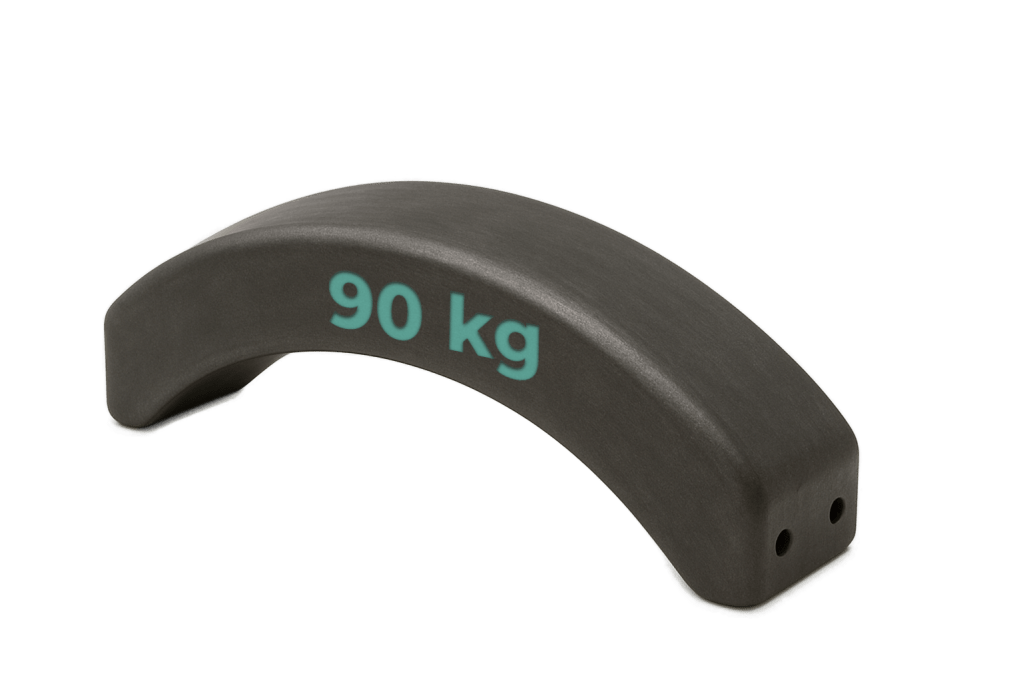
90 kg is clearly hazardous, especially for an awkward, curved, bulky object like a bumper.
2. Inadequate Equipment
If the offered table:
- Is unstable,
- Too narrow for the bumper,
- Or lacks proper safety features,
— this is a clear violation of workplace safety regulations.
3. Responsibility
- If you had accepted and someone got injured, you could share legal liability.
- Under Czech law, an employee has the right to refuse work that endangers their health or life. This is not misconduct, but a legal duty (§106 of the Czech Labor Code).
For system 5S
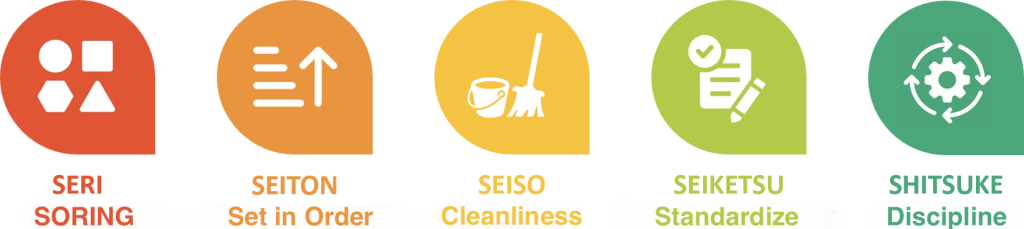
1. Seiri – Sort
► In your case, there’s no clear distinction between tasks suitable for manual work and those requiring mechanical assistance.
✔️ Under 5S: Unsafe and inefficient practices (such as manually lifting a 90 kg item without a crane) should be eliminated.
2. Seiton – Set in Order
► The lifting table used is not suitable for the size and shape of the bumper, which violates this principle.
✔️ All tools and equipment should be appropriate, accessible, and safe to use.
3. Seiso – Shine / Cleanliness
► While less directly relevant, an unstable or dirty surface can increase risk during installation.
4. Seiketsu – Standardize
► The lack of standardized procedures for lifting heavy parts is a clear gap.
✔️ Safe work procedures (including mandatory use of cranes or hoists) should be clearly defined and followed.
5. Shitsuke – Sustain / Discipline
► Your decision to refuse the task is a strong example of this principle.
✔️ It reflects a safety culture where employees follow rules and don’t compromise on health or safety.
Legal Consideration
According to workplace safety laws in the Czech Republic and the EU:
- Manual lifting is limited — generally up to 25–30 kg for men under ideal conditions.
- 90 kg is far beyond this limit and requires mechanical handling or trained personnel like a crane operator.
Reference: EU Directive 90/269/EEC on the manual handling of loads:
https://eur-lex.europa.eu/legal-content/EN/TXT/?uri=CELEX:31990L0269
Conclusion: You did the right thing
- You didn’t give in to unsafe demands.
- You identified and raised concerns about unsafe working conditions.
- You protected yourself and possibly others.
If your employer insists, you can:
- Request a written order to perform the task under such conditions,
- Demand the presence of a workplace safety officer (BOZP),
- Or submit a written refusal citing your legal rights under the Labor Code.
Have a nice shift!
 FOREIGN WORKERS UNION CZ